March 2026
The world of casino gambling possesses a unique allure that captivates millions. At its core, the excitement stems from the possibility of winning big, which can create a rush of adrenaline unlike any other. This thrill-seeking behavior is often linked to the brain’s reward system, releasing dopamine— a neurotransmitter associated with pleasure and motivation. This chemical reaction creates a powerful reinforcement loop, where the anticipation of a potential win keeps players returning for more. Many may be drawn into this excitement even when using betting apps, which further complicates their understanding of the intensity of gambling.
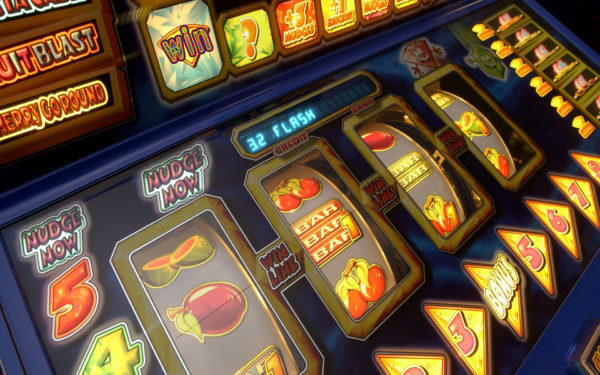
Moreover, the ambiance of casinos is expertly designed to enhance this experience. Bright lights, engaging sounds, and the presence of other players all contribute to an environment that stimulates the senses. These factors encourage individuals to engage in gambling behaviors, often leading them to lose track of time and money. As a result, understanding what draws people to casinos can provide insights into broader psychological patterns related to risk-taking and reward-seeking.
Cognitive biases heavily influence the decisions made by gamblers, often leading them to misinterpret their chances of winning. One common bias is the illusion of control, where players believe they can influence the outcome of games of chance. This leads to overconfidence in their abilities and a tendency to gamble beyond their means. Such misconceptions can be particularly dangerous, as they may drive individuals to take risks that they otherwise would avoid.
Another prevalent cognitive bias is the gambler's fallacy, where individuals mistakenly believe that past outcomes will affect future results. For example, if a slot machine has not paid out recently, a player might believe their chances of winning increase with each subsequent play. These biases not only shape the way individuals approach gambling but can also perpetuate cycles of addiction and financial distress.
An individual's emotional state plays a significant role in their gambling behaviors. Many people turn to gambling as a form of escapism, using it as a way to cope with stress, anxiety, or depression. This emotional reliance can create a vicious cycle, where temporary relief is followed by feelings of guilt or shame after losses, leading to further gambling in an attempt to recover lost funds. Understanding this link between emotion and gambling is crucial for addressing problem gambling.
Additionally, mood can influence risk-taking behavior in gambling contexts. Positive emotions may lead to more impulsive decisions, while negative emotions can result in attempts to chase losses. This relationship suggests that emotional regulation is vital for responsible gambling, highlighting the importance of developing healthy coping mechanisms as an alternative to gambling.
The social environment in which individuals gamble can significantly shape their behaviors and attitudes towards it. Peer pressure and social norms can encourage gambling, particularly among individuals who associate it with socializing and fun. For many, the casino becomes a social hub where they can bond with friends and share experiences, creating a sense of community around gambling.
Moreover, the portrayal of gambling in media and popular culture often glamorizes the lifestyle associated with it. This can create unrealistic expectations and influence younger audiences, who may perceive gambling as an easy way to achieve financial success. As such, it's essential to recognize that social factors play a crucial role in the normalization of gambling behaviors and the potential risks they entail.

Exploring the psychology behind casino gambling behaviors reveals a complex interplay of attraction, cognitive biases, emotional influences, and social factors. While many individuals can enjoy gambling as a form of entertainment, a clear understanding of these psychological elements is vital for identifying and addressing problem gambling. Educational resources and support systems are essential in helping individuals navigate their gambling habits responsibly.
The website dedicated to combating violence globally stands as a platform for advocacy and education. By providing resources that empower individuals and communities, the site contributes to creating a safer environment for everyone. Understanding the psychological aspects of behaviors such as gambling can play a crucial role in preventing violence linked to addiction and promoting healthier choices within society.
SHARE
March 2026
Unlock the secrets of winning at casino games with Unknown Understanding Casino Game Mechanics To win consistently at casino games,...
March 2026
Win big at the tables with Unknown Essential tips for casino success Understanding the Odds When venturing into the world...
Are You Ready To Level Up Your Game?
Contact us today to start your project. We can’t wait to join you on your journey.
Subscribe to our newsletter and get notifications and updates delivered in you inbox!
Privacy Policy Terms of Use Site Map
© 2022 - Creative Matics.
Powered By Creativeshark